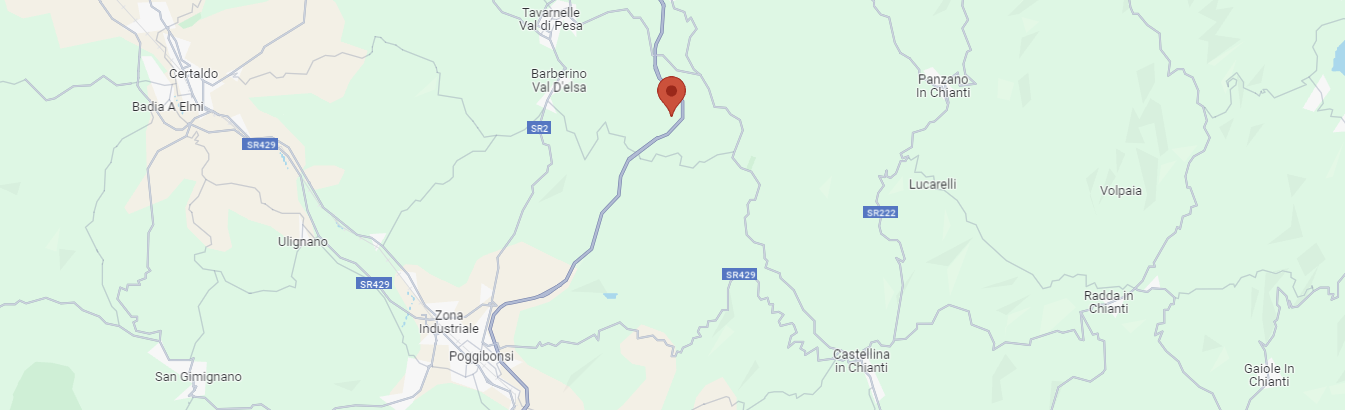
La vendemmia: the grape harvest.
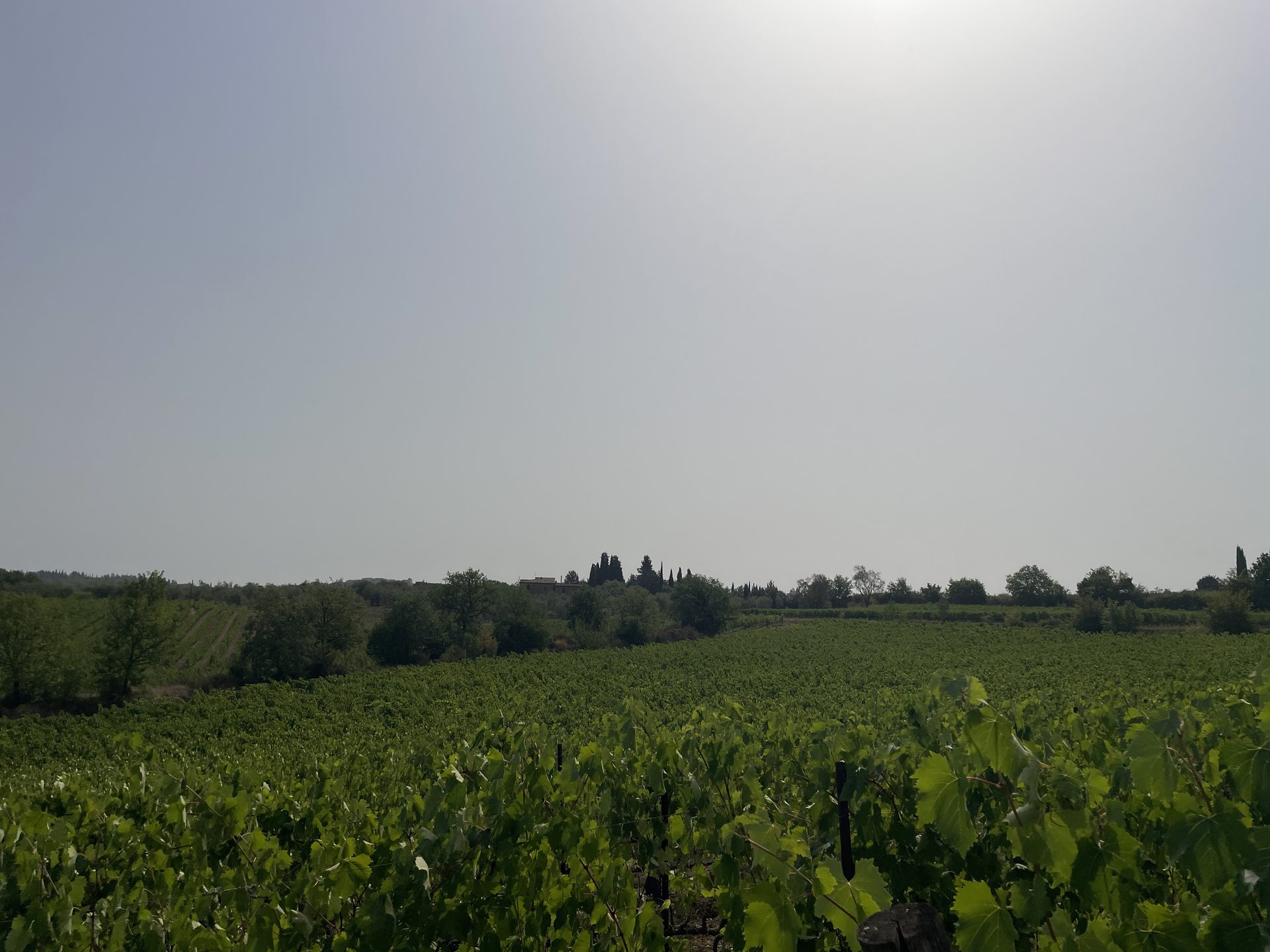
As late September arrives at Podere Cerbaia, the crisp morning air signals one of the most magical moments of the Tuscan year: la vendemmia (the grape harvest). The rolling hills of the Chianti region hum with quiet energy as sweet-scented Sangiovese grapes are carefully hand-picked from the vines.
For Italians, wine is far more than a beverage—it is a liquid expression of geography, history, and deeply rooted culture. When you hold a bottle of Tuscan wine, you hold a story governed by strict traditions and meticulous regulations. If you’ve ever wondered what those mysterious acronyms on Italian wine labels mean—or why Italians care so intensely about where their food comes from—here is your insider’s guide to decoding the Tuscan harvest.
The Italian Obsession with Provenance: A Cultural Heritage
Why do Italians care so passionately about the exact hill, village, or valley where their wine and food are produced? In Italy, food provenance is not a culinary trend; it is a way of life and an integral part of national identity. In fact, UNESCO recognized Italian Cuisine as an Intangible Cultural Heritage of Humanity, celebrating the country’s unique cultural model that connects local biodiversity, generational knowledge, and a deep respect for territorial roots.
To an Italian, a tomato is not just a tomato, and a red wine is never just “red wine.” A bottle from Chianti tells you about the soil, the climate, and the centuries of human craftsmanship unique to that specific patch of land—a concept known as terroir.
DOC and DOCG: Italy’s Own Quality Seals
When browsing Italian wines, you will often spot terms like DOC and DOCG. It is important to know that these specific classifications are uniquely Italian innovations created to protect the integrity of the country’s historic winemaking regions.
- DOC (Denominazione di Origine Controllata): Established by Italian law in 1963, this designation guarantees that the wine comes from a specific defined area and meets strict quality standards regarding grape varieties, alcohol content, and aging process.
- DOCG (Denominazione di Origine Controllata e Garantita): The highest and most prestigious tier in Italian wine law. The “G” stands for Garantita (Guaranteed). Before receiving this elite status, every single batch of wine must pass rigorous chemical analysis and a sensory evaluation by a government-licensed tasting panel. A numbered government seal is then placed over the neck of every single DOCG bottle.
These names and labels do not justify high prices or signify better taste. It is the ORIGIN they care and signal.
Understanding the EU Regulations: DOP, IGP, and IGT
To unify regional quality standards across all member nations, the European Union established a broader regulatory framework for agricultural products and wines through European Union Quality Schemes. Here is how the Italian terms map to European legislation:
- DOP (Denominazione di Origine Protetta / Protected Designation of Origin): This umbrella European term covers both DOC and DOCG wines, as well as iconic foods like Parmigiano Reggiano or Prosciutto di Parma. Every stage of production, processing, and preparation must take place within the specified geographic region.
- IGP (Indicazione Geografica Protetta / Protected Geographical Indication): In Italian wine, this corresponds to IGT (Indicazione Geografica Tipica). These wines are tied to a broader region and give winemakers more creative freedom to experiment with non-traditional grape varieties (like Cabernet Sauvignon or Merlot) while still guaranteeing regional quality.
The Heart of Tuscan Red: Chianti and Chianti Classico
Few wines capture the essence of Tuscany quite like Chianti. Made predominantly from the noble Sangiovese grape, Chianti wines are celebrated for their vibrant acidity, red fruit notes, and herbal undertones. Everything has an ancient origin in Tuscany. Some say that the name derived from the Latin Sanguis Jovis (“the blood of Jupiter”) the father of all gods, to associate such grapes with the highest ideal: Le misteriose origini del Sangiovese – AIES – Accademia Internazionale Enogastronomi Sommeliers
The story of Chianti stretches back centuries, with official winemaking boundaries established as early as 1716 by Grand Duke Cosimo III de’ Medici. Today, wine enthusiasts distinguish between Chianti DOCG and Chianti Classico DOCG — the historic heartland of the region, famously represented by the iconic Gallo Nero (Black Rooster) emblem. The high natural acidity and structured tannins of Chianti DOCG make it the ultimate companion to Tuscan cuisine, paring beautifully through rich meat ‘sugo’ (meat ragu), aged pecorino cheeses, and chicken liver famous ‘crostini’.
A Toast to the New Season at Podere Cerbaia
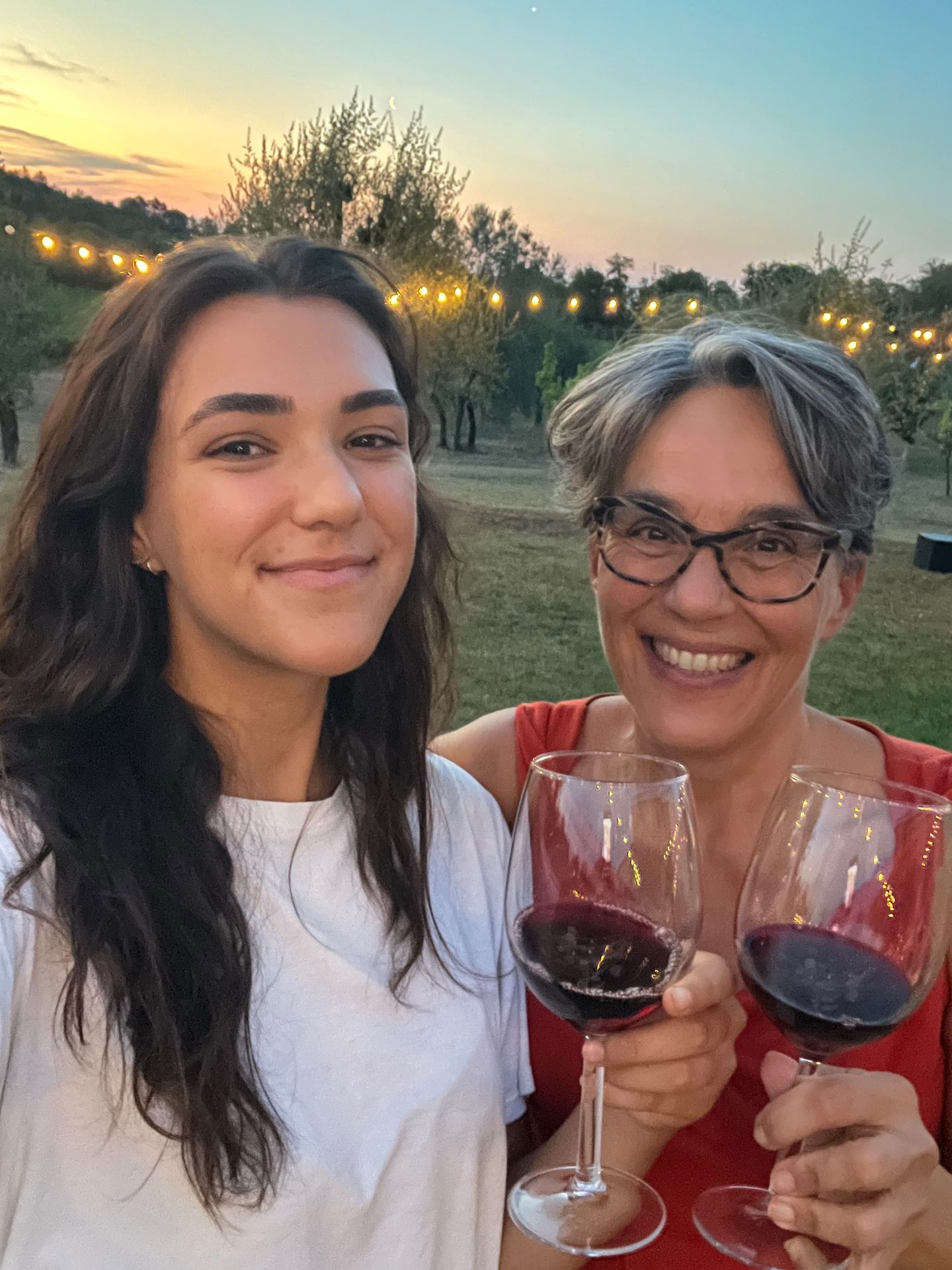
As the grape harvest finishes and the cellars begin the transformation of grapes into wine, late September offers a serene, fragrant window into the soul of Tuscany. At Podere Cerbaia, we invite you to pour a glass, pause, and appreciate the centuries of passion, law, and land behind every bottle.
Cin cin!
Book your stay with us at Podere Cerbaia to learn the language and the culture! Learn Italian in Chianti, Tuscany, Italy | Podere Cerbaia